
Saudi Arabia’s growing grip on global sports is not about growth, innovation or opportunity. It is about laundering a reputation, and the sports world is helping them do it.
WWE announced an expanded partnership with Saudi Arabia. In 2027, WrestleMania will be held there, marking the first time the company’s flagship event takes place outside North America. That decision matters. WrestleMania is not a niche product. It is WWE’s crown jewel, a global spectacle built on nostalgia, loyalty and massive audiences. Handing that stage to Saudi Arabia is not a neutral business move. It is a deliberate act of legitimization.
This is how sportswashing works. You don’t convince people through press conferences or policy statements. You distract them with spectacle. You associate your country with fireworks, sold-out arenas and iconic moments until the darker context fades into the background. Fans don’t forget because they’re ignorant. They forget because they’re entertained.
I know that because it worked on me.
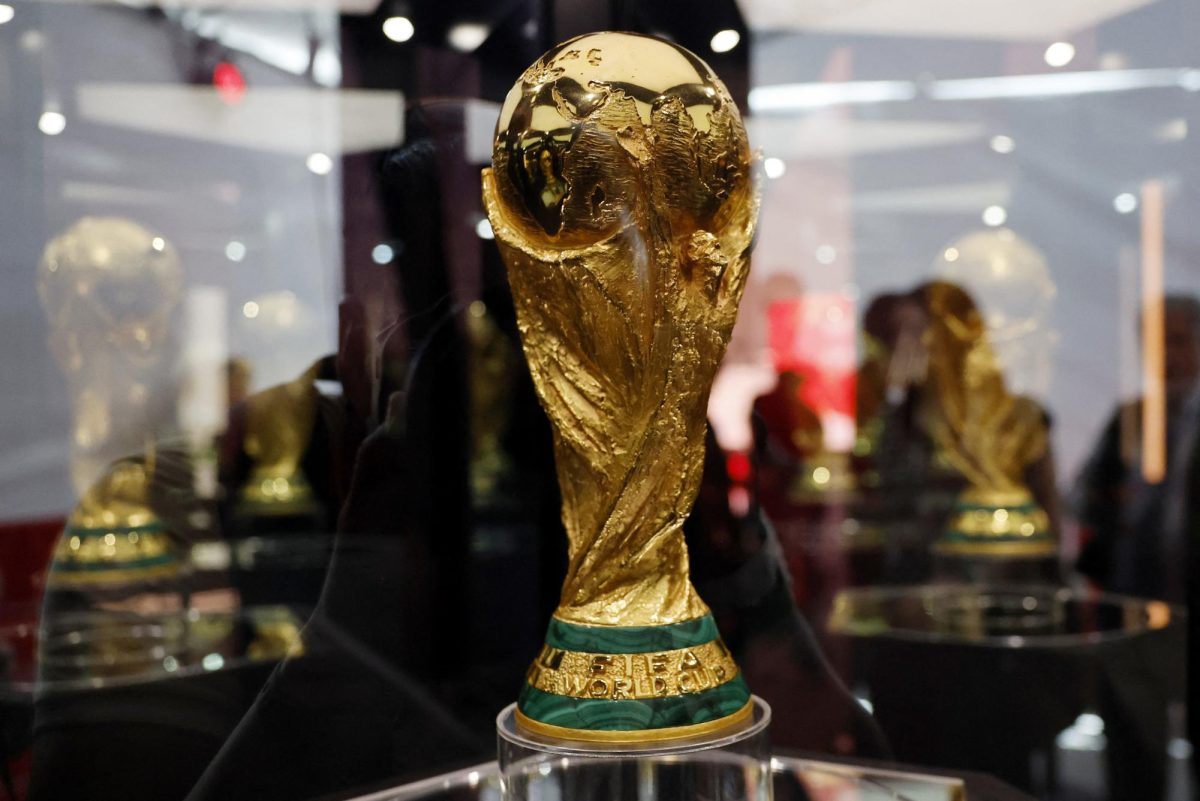
During the 2022 World Cup in Qatar, I watched the games, admired the production and dubbed it the best tournament I remember. The atmosphere looked incredible. The broadcasts were flawless. The tournament dominated attention for the right reasons. I stopped thinking about the reality that those stadiums were built by migrant workers under conditions widely described as modern slavery. Many of those stadiums now sit largely unused. I only remembered they were in Qatar when the Emir draped a bisht on Messi before lifting the trophy. The spectacle did exactly what it was designed to do.
Saudi Arabia took notes.
The kingdom has since accelerated its push into sports at an unmatched pace. Soccer clubs, boxing cards, Formula 1 races, golf leagues, esports, now professional wrestling. This is not diversification. It is congestion. The goal is to make Saudi Arabia unavoidable in global sports culture, to the point where criticism feels inconvenient and out of place.
Nothing captures the absurdity of this strategy better than the contracts handed to Cristiano Ronaldo, Neymar and Karim Benzema. These are not market deals. They are statements. Ronaldo earns around $700 million annually to play in a league that did not need him competitively but needed him symbolically. Neymar arrived on similar money despite barely playing. Benzema followed, cashing in at the end of his prime. These signings were never about improving league quality. They were about credibility through association.
Supporters defend these deals by saying athletes deserve to maximize their earnings. That misses the point. Saudi Arabia is not paying these players because they generate equivalent value on the field. It is paying for what they represent. Their presence reframes the league, the country and the conversation. That is the transaction.
Leagues and companies insist they are apolitical. WWE claims it is just bringing entertainment to new audiences. Soccer executives frame Saudi investment as global growth. Broadcasters focus on production quality and ratings. None of that changes the reality that these partnerships help normalize a regime with an extensive record of repression.
This is the same government implicated in the murder of journalist Jamal Khashoggi. The same state that arrests dissidents, silences critics and tightly controls speech. Those facts don’t disappear because a title fight headlines a weekend or WrestleMania rolls into town. They just get buried under marketing.
The money itself is opaque by design. Saudi sports investments flow through sovereign wealth funds and state-linked entities, protecting decision-makers from accountability. That shadiness isn’t incidental. It allows leagues and athletes to pretend they’re dealing with just another sponsor rather than a government seeking influence.
Fans are told boycotts don’t matter. That argument misunderstands the objective. These sports ventures are not profit-driven. They are perception-driven. Legitimacy is the return. When fans disengage, when events lose cultural weight, the entire strategy weakens.
Sports love to sell themselves as meaningful, unifying and culturally important. Those claims ring hollow when the same institutions accept unlimited money with no questions asked. At that point, values become branding, not principles.
Saudi Arabia is not investing in sports because it believes in them. It is using them because they work. Every time the sports world plays along, their image gets cleaner and their record gets easier to ignore.