Our school is on life support.
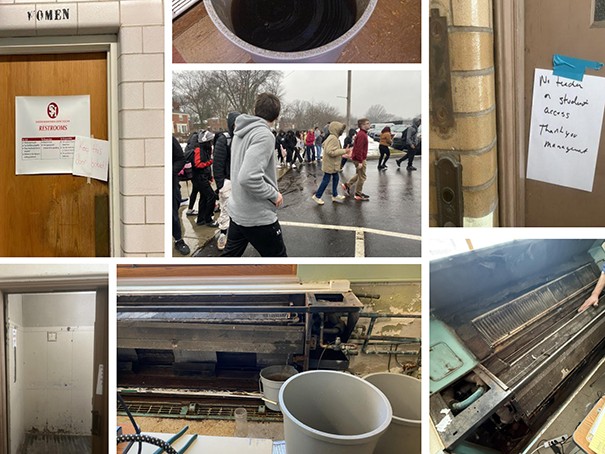
Black mold seeps through ceilings, occasionally dripping on students, their belongings and class materials. Roof, radiator or plumbing leaks have plagued Rooms 153, 154, 155, as well as the Writing Center in Room 228, The Shakerite newsroom in Rooms 229 and 231, and Room 230.
Students experience extreme temperatures almost daily across the school. Classrooms in the front hallway of the first floor regularly have inadequate or no heat; temperatures reach both hot and cold extremes. To cope with the cold, teachers have brought in their own space heaters, which are incapable of warming a classroom. This year, the district has rented commercial space heaters, which teachers in the affected rooms share. Room 153 got the best of both worlds — black mold, extreme heat, freezing cold, space heaters and a few loose ceiling tiles.
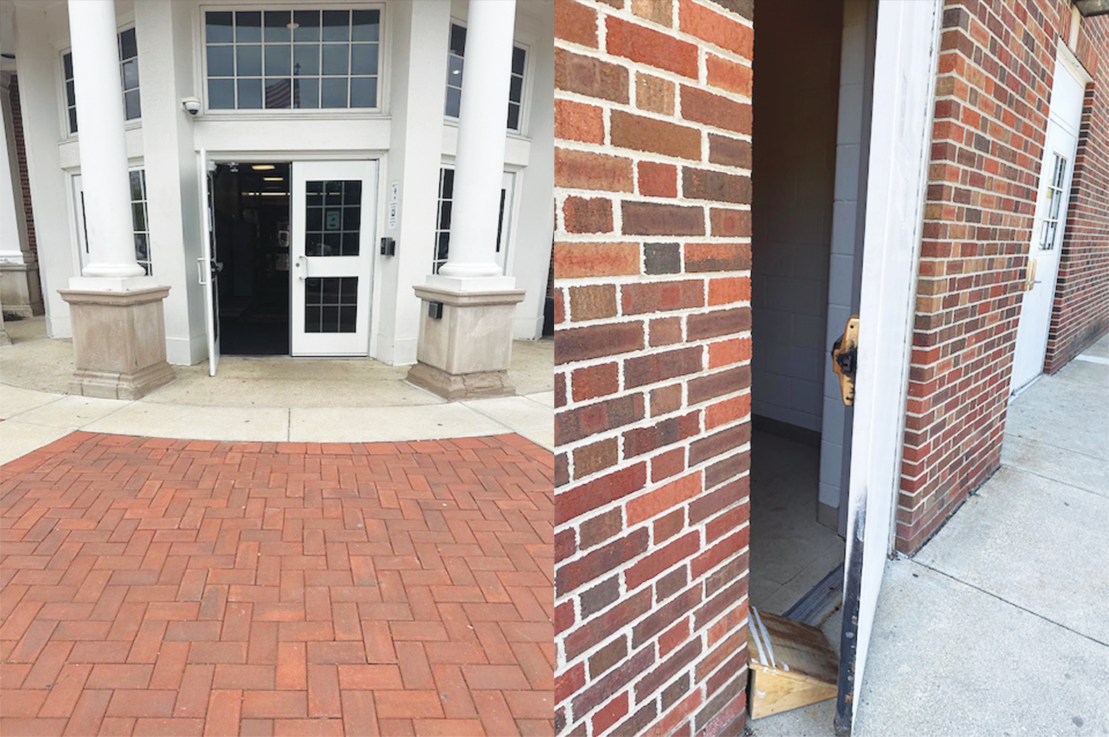
The large auditorium pumped out cold air for about two weeks after winter break while temperatures were in the single digits, making the massive space frigid — not to mention the arctic air that poured in through the two auditorium doors that remain unrepaired after a truck crashed into them six years ago. The large auditorium is also the site of a hole in the ceiling that leaks water and several failing lightbulbs.
The small auditorium is no stranger to temperature troubles, either; students who have study hall there suffered temperatures that fluctuated from 87 to 90 degrees after winter break.
In September, October and November, the elevator connecting the basement and the first, second and third floors was frequently out of service, then repaired, then out of service again. Students with disabilities or injuries who couldn’t take the stairs had to use the inconvenient, dirty freight elevator in Room 110, or attend class from the library. Now, in February, emails notifying staff of yet another round of elevator failures have resumed, not to be confused with emails announcing the closure of restrooms for plumbing emergencies.
On the topic of emergencies, falsely triggered fire alarms caused by system errors sounded five times Dec. 15, sending students into 17-degree weather that felt like 2 degrees with the wind chill. Water leaks and frozen pipes have also triggered false alarms, sending students into downpours and frigid weather.
In February, a pipe froze and burst in Room 161’s radiator, flooding the classroom before the start of school. Morning classes in that classroom were relocated while custodians and maintenance workers addressed the problem.
Meanwhile in the Shakerite newsroom, tiles said their goodbyes to the ceiling, nearly hitting editors before shattering on PCs and the floor. A parade of tiles in the science wing also crashed through the ground and landed in a first floor classroom.
Shaker Heights High School is degrading by the day. What’s the solution?
Until now, bandages for major injuries have been the norm. Students wear coats to fend off the large auditorium cold. Students in the small auditorium refilled their water bottles to combat the sauna-like effects. Ceiling tiles are replaced, black mold is sealed with paint, and we all go about our days. But the conditions remain, and they flare up frequently. It’s become a game of Whac-A-Mole for custodians, maintenance staff, service companies and the fire department.
The members of the Editorial Board should not be the ones coming up with a solution — that falls on our administration. We urge the school board and upper administration to visit the high school for a guided tour of the building’s maladies. The administration’s attention should not be aimed solely on elementary building renovations: focus on our buildings’ failing systems, and make something happen.
These aren’t just complaints fueled by inconvenience. If we don’t do something to fix our building, these failures will harm people, or make it impossible to hold school. At what point do we cancel school due to frigid temperatures in classrooms? Will the next falling ceiling tile injure a student, or will the next burst pipe scald someone? When will a space heater overheat, spark and catch on fire? Will someone slip on the ice, or on wet floors, when needlessly evacuating for an alarm?
Students will graduate and leave this building, but there are more to come — and, despite retirement incentives, much of the staff is here to stay. What’s the plan to get this building off of life support?
A version of this article appears in print on page 5 of Volume 96, Issue 4, published Feb. 28, 2026.